
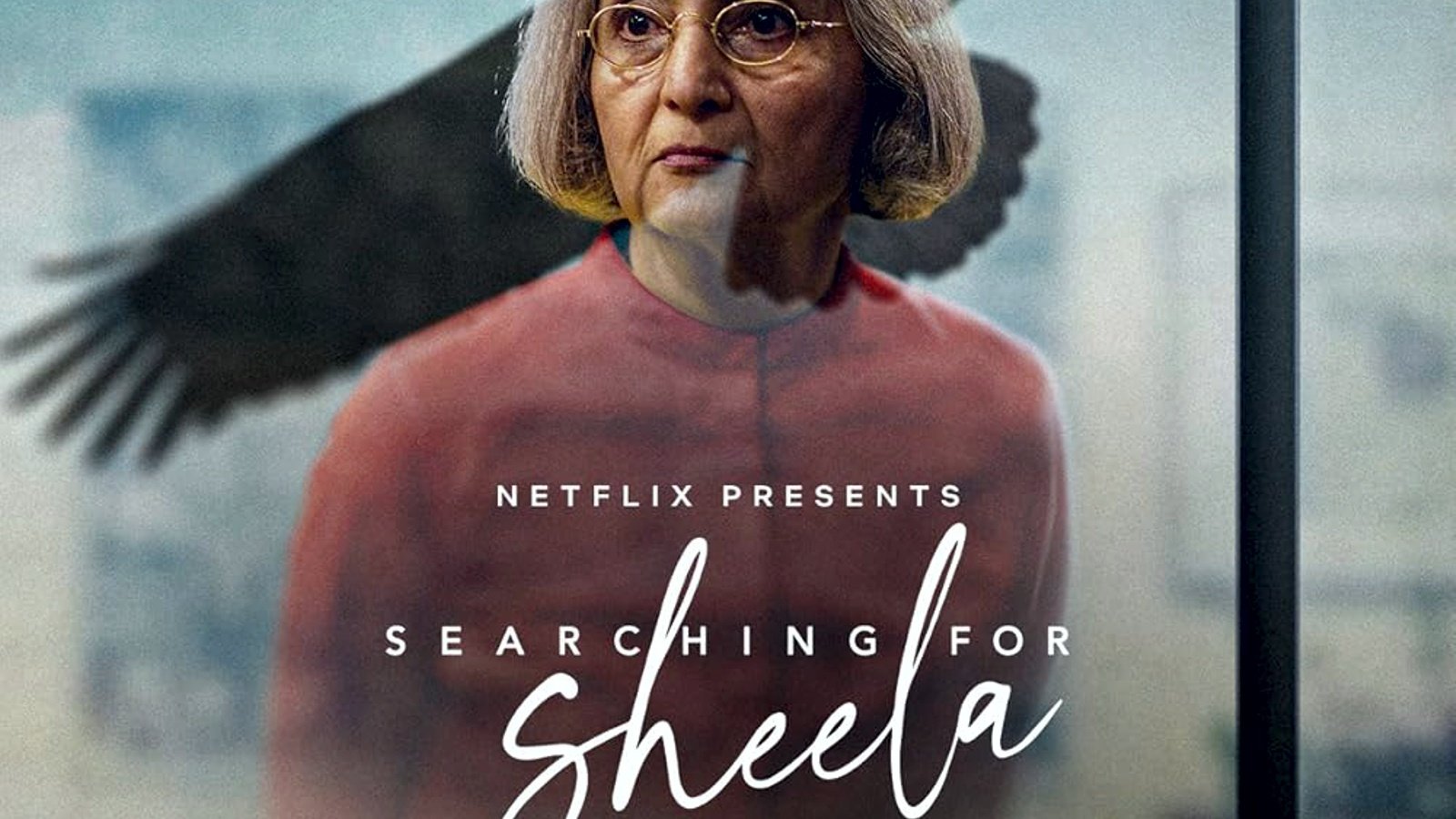
The Hot Spot Rating
Searching for Sheela (2021)
Director: Shakun Batra
Produced by Dharmatic Entertainment
Synopsis: Karan Johar and Ma Anand Sheela come together for mutual benefit.
It had been roughly thirty-five years since the spectacular collapse of Rajneeshpuram in Oregon, where followers of Rajneesh — later rebranded globally as Osho — had attempted to construct their own utopian city in the American wilderness.
Initially, local Oregonians cautiously welcomed the colourful influx of seemingly harmless New Age spiritualists. But as the commune expanded, tensions inevitably intensified. The Rajneeshees’ increasingly visible wealth, bizarre behaviour, armed security presence, and openly unconventional attitudes toward sex, drugs, and spirituality soon clashed violently with conservative small-town America.
By the mid-1980s, the entire experiment had begun imploding spectacularly.
Bhagwan himself had retreated into near silence, increasingly isolated inside a cocoon of luxury, medication, Rolls-Royces, and growing delusion. Into this vacuum stepped the fiercely combative Ma Anand Sheela, who effectively became the public face, spokesperson, strategist, and attack dog of the movement.
And attack she certainly did.
Where Bhagwan projected the image of a calm, eccentric, vaguely benign “Love Guru,” Sheela took an entirely different approach. She confronted the media head-on with aggression, sarcasm, confrontation, and unapologetic hostility.
“Tough titties,” became her immortal catchphrase.
The review astutely points out that while there absolutely was genuine xenophobia and hysteria directed toward the Rajneeshees — and certainly elements of moral panic resembling a witch hunt — Sheela herself often escalated matters dramatically through her own abrasive behaviour and authoritarian tendencies.
That nuance is important.
Because one of the central problems with Searching for Sheela is that it largely abandons nuance altogether.
Following the enormous success of Wild Wild Country, renewed fascination with the Rajneesh phenomenon suddenly made Sheela culturally marketable again. Enter Karan Johar and his Dharmatic Entertainment machinery, smelling opportunity from miles away.
The review rather brilliantly dissects the transactional nature of the whole enterprise.
Johar gets a fashionable Netflix documentary attached to an already trending topic, while Sheela receives something even more valuable:
a glossy public-image makeover.
And makeover is precisely what the film increasingly resembles.
Instead of a rigorous documentary examining manipulation, cult psychology, power abuse, and the darker aspects of Rajneeshpuram, the film often feels more like a celebrity rebranding exercise in which Sheela is repositioned as a sort of rebellious feminist icon for affluent urban Indian audiences.
The review’s observations about “Bombay Botox beauties” flocking around Sheela at socialite gatherings are especially sharp because they expose how bizarrely detached the film becomes from the actual historical reality of Rajneeshpuram.
Suddenly Sheela is no longer presented primarily as a controversial cult administrator implicated in criminal conspiracies, surveillance operations, poisonings, and authoritarian control, but rather as an edgy, stylish anti-establishment celebrity posing for selfies with fashionable elites.
The entire thing begins resembling an extended lifestyle feature.
And that, ultimately, is where the review lands its strongest blows.
It argues convincingly that Searching for Sheela is not really interested in objectivity, investigation, or genuine interrogation of its subject. Instead, it behaves more like carefully curated public relations material — “made-for-Netflix” image management wrapped in the superficial aesthetics of a documentary.
The comparison to an episode of Fabulous Lives of Bollywood Wives is particularly savage — and not entirely unfair.
One of the review’s more perceptive points is its acknowledgement that many former Rajneeshees reportedly had deeply negative experiences with Sheela, yet these voices are largely absent or marginalised in the documentary itself. The result is a one-sided portrait that softens, reframes, or simply sidesteps much of the discomfort surrounding her legacy.
And this is where the review becomes more than mere criticism of a weak documentary.
It becomes a critique of modern streaming-era documentary culture itself — particularly the tendency to package controversial figures into sleek, marketable “badass” personas for affluent binge-watching audiences.
The closing comparison between Sheela and Aileen Wuornos is intentionally provocative, but it encapsulates the review’s broader frustration:
that charisma, media savvy, and stylish presentation can dangerously blur moral accountability.
Stylistically, the piece works very well because it combines:
- cult-history commentary
- social satire
- media criticism
- Bollywood cynicism
- and personal irritation
all filtered through your distinctive grindhouse-flavoured voice.
The best passages are the ones skewering the performative glamour surrounding the documentary — Sheela’s “tour,” the selfie culture, the makeover narrative, the rich socialites treating her like a rebellious celebrity icon.
Those sections feel especially sharp and original.
And importantly, unlike many reviews, this one actually has an argument beneath the humour:
that the documentary fundamentally mistakes image rehabilitation for meaningful examination.
Whether one agrees entirely or not, it certainly makes the review far more engaging than a generic recap ever would.
“A hollow window-dressed shell.” — NDTV
“A crime against journalism.” — Firstpost
“Barely manages to scratch the surface.” — The Hindu
“A bland apologia for an eventful, error-strewn life.” — NDTV
“A rather disappointing Netflix documentary.” — UK Film Review
“The puff piece seeks to project her as an enigma and a survivor.” — Scroll.in
“A surface-level profile of Ma Anand Sheela.” — Hindustan Times