
The Hot Spot Rating
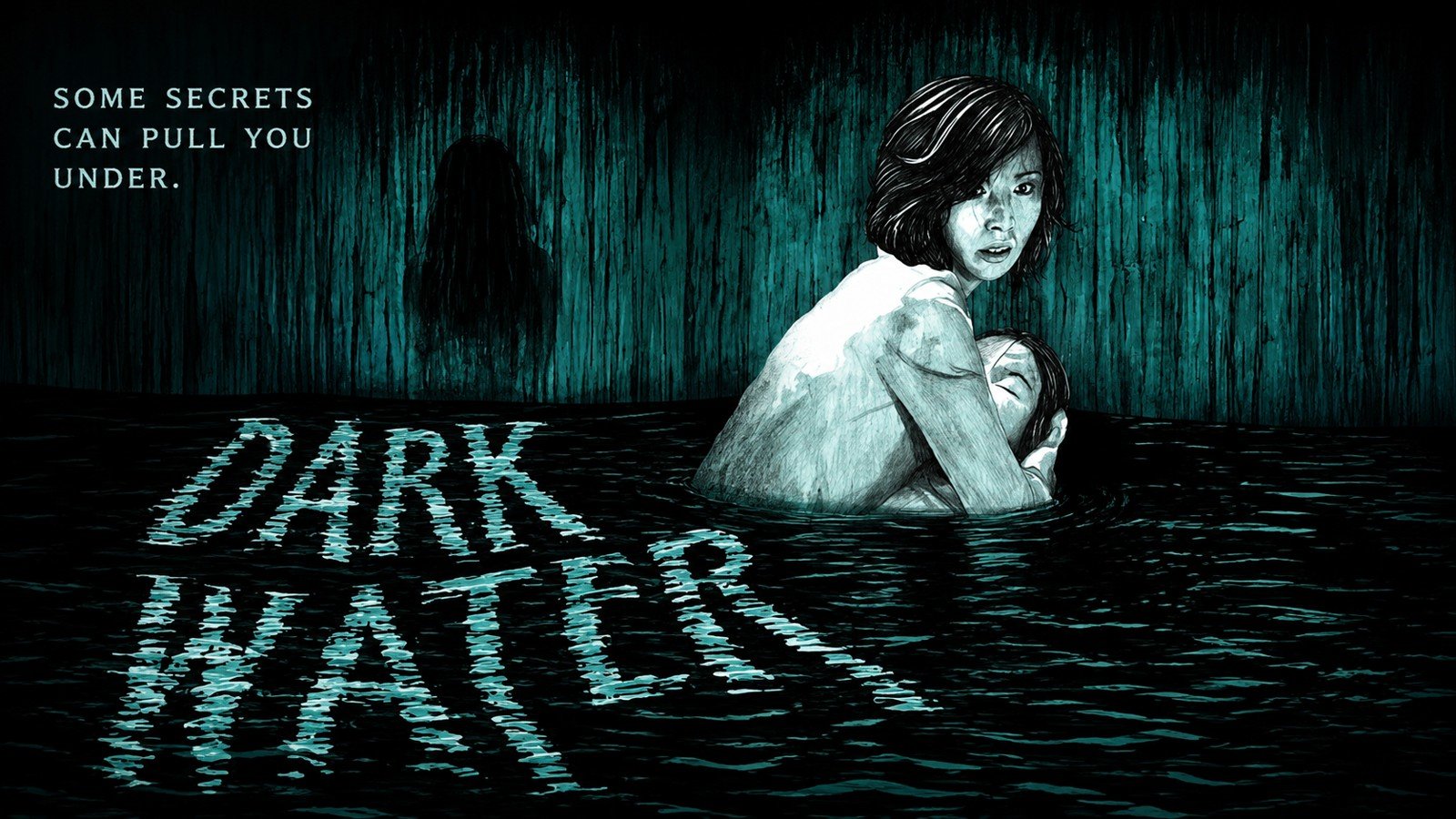
Dark Water (Honogurai mizu no soko kara) (2001)
Cast: Hitomi Kuroki, Rio Kanno, Mirei Oguchi, Asami Mizukawa
Director: Hideo Nakata
Synopsis: Mother and child move into apartment soaked in dampness and evil
Reviewed by: Omar Khan
“Its denouement delivers not just a flash of fear but a strange, sweet charge of pathos… the most disturbing spell in the cinema I’ve had in a very long time.” — Peter Bradshaw, The Guardian
“Its cleverness relies on transferring our concern from the supernatural events… to the natural fear of a mother losing her own child.” — Alexander Walker, London Evening Standard
“One of the creepiest, and saddest, of them all.” — Katie Rife, The A.V. Club
“Doesn’t pack as much of a suspenseful punch as other entries in the J-horror subgenre, but the heaviness of its supernatural moisture-soaked atmosphere… fills that void.” — Thomas Spurlin, DVD Talk
“An eerie and heartbreaking adaptation.” — Katherine McLaughlin, British Film Institute (BFI)
“Worth watching for a good chill.” — Nicholas Rucka, Midnight Eye
“The atmosphere was perfectly judged. Sombre, dreary, muted and sorrowful.” — Film Positivity
“There’s a pervasive feeling of dread running right through it.” — Film Positivity
“The real horror in Dark Water has nothing to do with the ghost, and everything to do with losing one’s own parent or child.” — Emma Wolfe, SpookyAstronauts (via Rotten Tomatoes)
Yoshimi Matsubara is barely holding her life together. She is struggling through a bitter custody battle with her ex-husband, desperately searching for work, trying to find somewhere affordable to live and, perhaps most of all, battling the growing self-doubt that threatens to overwhelm her. Haunted by her own childhood abandonment, she lives in constant fear that she too will fail her five-year-old daughter, Ikuko. She is emotionally exhausted, and the only thing preventing her from collapsing altogether is the determination to keep her child.
Nakata immediately grounds the supernatural in painfully recognisable human anxieties. We follow Yoshimi and Ikuko wandering the streets in search of somewhere to live after another dispiriting meeting with her custody lawyers, who offer little reassurance that she will retain custody of her daughter.
Drip… drip… drip… one of the eeriest and most atmospheric ghost stories of modern cinema.
Eventually mother and daughter settle on an apartment in a gloomy, eight-storey building. It is damp, claustrophobic and visibly decaying, the ceilings stained by spreading water damage and the corridors permanently shrouded in shadow. With little money and even fewer alternatives, Yoshimi reluctantly signs the lease after being promised the persistent leaks will soon be repaired.
Naturally, they never are.
Instead the damp patches spread with alarming speed. Water begins dripping incessantly from the ceiling, a mysterious red schoolbag repeatedly reappears after being thrown away, and the spectral image of a little girl wearing a bright yellow raincoat starts haunting both the apartment and its creaking lift. Young Ikuko herself seems increasingly drawn upstairs to play with an unseen companion.
As the leaks worsen, Yoshimi’s attempts to persuade the building superintendent to investigate are met largely with indifference. She gradually discovers that a little girl once lived in the apartment above before mysteriously disappearing years earlier. At the same time, life outside the building becomes no easier. A new proofreading job helps ease her financial worries but further complicates the custody dispute, as she repeatedly arrives late to collect Ikuko from school, reinforcing the growing impression that she is an unreliable mother. Increasingly isolated and emotionally fragile, Yoshimi begins experiencing ever more terrifying encounters with the ghostly child in the yellow raincoat, while the apartment above appears permanently flooded, the apparent source of the ever-expanding dampness engulfing her home.
Whether Yoshimi ultimately uncovers the truth—or merely succumbs to her own fears—is one of the film’s many strengths.
Following the phenomenal success of Ring, Hideo Nakata faced the unenviable task of following one modern horror masterpiece with another. Remarkably, he came astonishingly close. Dark Water may not possess the visceral shocks of Ring, but in terms of atmosphere it is every bit its equal. Nakata demonstrates once again that he is one of horror cinema’s true masters of mood, creating an overwhelming sense of dread that seems to seep into every frame like the water stains slowly consuming Yoshimi’s apartment.
The film is beautifully photographed, full of haunting imagery and sustained by an almost unbearable atmosphere of quiet menace. Unlike much contemporary Hollywood horror—with its wisecracking teenagers, elaborate gore effects and increasingly absurd twist endings—Dark Water relies upon patience, suggestion and emotional involvement. The horror grows naturally out of grief, loneliness and parental anxiety rather than bloodshed or spectacle.
The film inevitably invites comparison with Don’t Look Now, another masterclass in restrained supernatural terror where emotional trauma and ghostly horror become inseparable. Nakata understands, as Nicolas Roeg did before him, that the most effective horror is rooted in recognisable human fears.
With Ring, Ring 2 and now Dark Water, Nakata firmly established himself as one of the outstanding horror directors of his generation. This is sophisticated, adult horror of a kind Hollywood had largely forgotten how to make. There is scarcely a drop of blood spilled throughout, yet few modern horror films are capable of generating such profound unease. Like Ring, Dark Water lingers in the mind long after the credits have rolled, quietly haunting the viewer in ways far more unsettling than any amount of gore ever could. It is not a film one would choose to watch immediately before bedtime.