
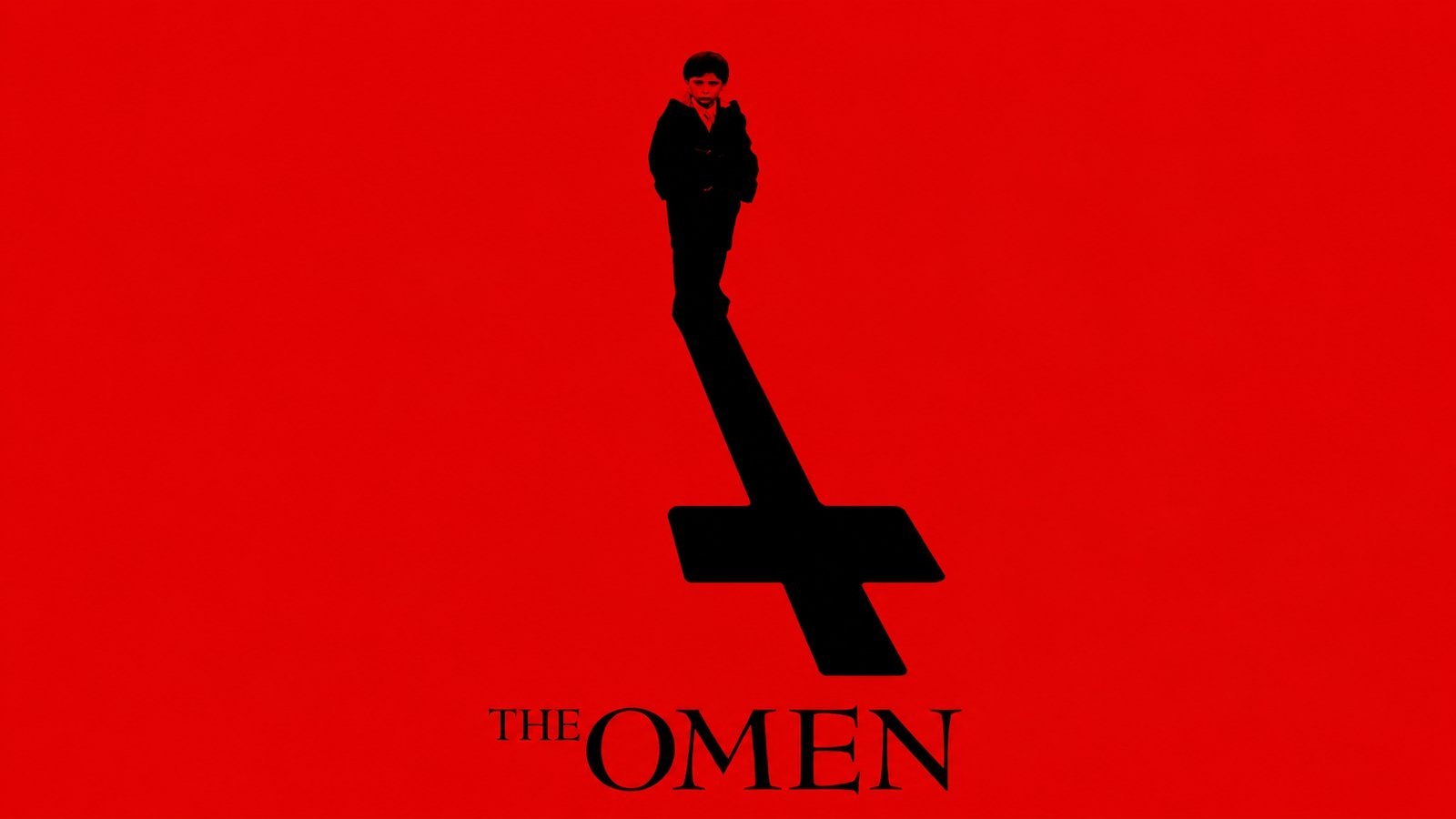
Omen, The (2006)
Cast: Julia Stiles, Leiv Schreiber, Mia Farrow
Director: John Moore
Synopsis: A retread of the 70's horror yarn is merely a pale imitation of the original
Reviewed by: Omar Khan
"The Omen is a faithful remake of the 1976 film, and that's a relief." — Roger Ebert, Chicago Sun-Times
"It depends on characters and situations and doesn't go berserk with visuals." — Roger Ebert, Chicago Sun-Times
"All of this is done with mood and style." — Roger Ebert, Chicago Sun-Times
"Liev Schreiber is, I think, a good choice for Ambassador Thorn." — Roger Ebert, Chicago Sun-Times
"It's handsome in the way it's fast-moving: sleek, well-engineered... Still, it works." — Stephen Hunter, The Washington Post
"Even with the force of a 'classic' behind it, remake fever can't hold up the hollowness of this style-drenched Omen." — Rotten Tomatoes Critics Consensus
"Not since Gus Van Sant inexplicably directed a shot-by-shot remake of Hitchcock's Psycho has a thriller been copied with so little point or impact." — Peter Travers, Rolling Stone
"On every level, The Omen isn't just bad filmmaking, it's bad storytelling." — James Berardinelli, ReelViews
"I felt like I was seeing The Da Vinci Code with slightly shadier priests." — Owen Gleiberman, Entertainment Weekly
Just to illustrate how intellectually bereft Hollywood has become, one of the year's seemingly endless remakes arrived in cinemas largely because 20th Century Fox believed the novelty of opening it on 6 June 2006 (06/06/06) would be enough to guarantee a sizeable box-office return. Thus arrived yet another unnecessary remake—this time of Richard Donner's classic The Omen.
Back in 1976, The Omen exploded onto cinema screens to become the first truly major mainstream horror sensation since The Exorcist. Adapted from David Seltzer's bestselling novel, Fox backed the film with one of the most memorable advertising campaigns of the decade, transforming an already highly accomplished supernatural thriller into the horror event of the year.
The success, however, was about far more than clever marketing.
Firstly, Seltzer's screenplay is wonderfully constructed. The premise is gloriously preposterous and, viewed objectively, occasionally borders on the absurd, yet the film never ceases to entertain. It moves at a relentless pace, each revelation propelling the story towards its unforgettable climax.
Secondly, the casting was inspired. Gregory Peck and Lee Remick lent enormous dignity and credibility to material that, in lesser hands, might easily have descended into camp nonsense. Billie Whitelaw, meanwhile, created one of horror cinema's most memorable villains as the sinister nanny Mrs Baylock.
Richard Donner was still establishing himself as a major director, but with The Omen, he demonstrated complete command of the material. The pacing is exemplary, the atmosphere consistently unsettling, and the suspense masterfully sustained throughout.
Then there is Jerry Goldsmith's magnificent Academy Award-winning score. Dominated by ominous choral chanting, it infuses every frame with an overwhelming sense of impending evil and remains one of the finest horror soundtracks ever composed.
Perhaps the film's greatest legacy, however, lies in its wonderfully inventive death scenes. The Omen introduced the mainstream audience to the concept of elaborate "creative deaths", paving the way for countless later horror films—not least the Final Destination series, which owes an obvious debt to Donner's classic.
The late film critic Michael Medved famously included The Omen among what he regarded as the worst films ever made. While I can appreciate some of his objections—the film is certainly overwrought and occasionally teeters on the brink of high camp—I simply cannot agree. Richard Donner's craftsmanship, Goldsmith's score and a succession of memorable performances elevate what might otherwise have been lurid hokum into one of the great supernatural thrillers of the 1970s.
Which brings us to the 2006 remake starring Liev Schreiber and Julia Stiles.
Both actors are perfectly competent performers, but neither possesses the gravitas or effortless screen presence of Gregory Peck and Lee Remick. Remick, in particular, brought remarkable warmth, serenity and vulnerability to Katherine Thorn. Julia Stiles never quite convinces as the ambassador's wife and appears somewhat miscast throughout.
The remake follows the original with extraordinary fidelity. Entire scenes, dialogue exchanges and camera set-ups have been reproduced almost shot for shot, raising the obvious question of why the exercise was undertaken in the first place.
The new score, while perfectly serviceable, can never hope to rival Goldsmith's masterpiece. Mia Farrow initially seems inspired casting as Mrs Baylock, yet even she struggles to match the quietly terrifying presence of Billie Whitelaw.
Most surprising of all is the failure of the remake to improve upon the original's celebrated death scenes. Given the enormous advances in special effects over the intervening thirty years, one expected the filmmakers to surpass Donner's set-pieces with ease. Instead, the opposite occurs. Father Brennan's death lacks the dramatic impact of the original, while Keith Jennings' unforgettable decapitation feels strangely muted and considerably less effective than Donner's astonishing set-piece from 1976.
Perhaps audiences have simply become desensitised. A decapitation that provoked gasps in 1976 scarcely raises an eyebrow today.
Whatever the explanation, The Omen (2006) remains an unnecessary, largely redundant remake. A far better investment would have been to restore the original, remix the soundtrack, produce a pristine new print, mount another inspired advertising campaign and allow modern audiences to rediscover Richard Donner's classic as it was meant to be seen.
Watch the original. Then watch the remake.
There is only one winner—and judging by the remake's decidedly underwhelming reception, audiences appeared to reach the same conclusion.

0 Comments
Leave a Comment