
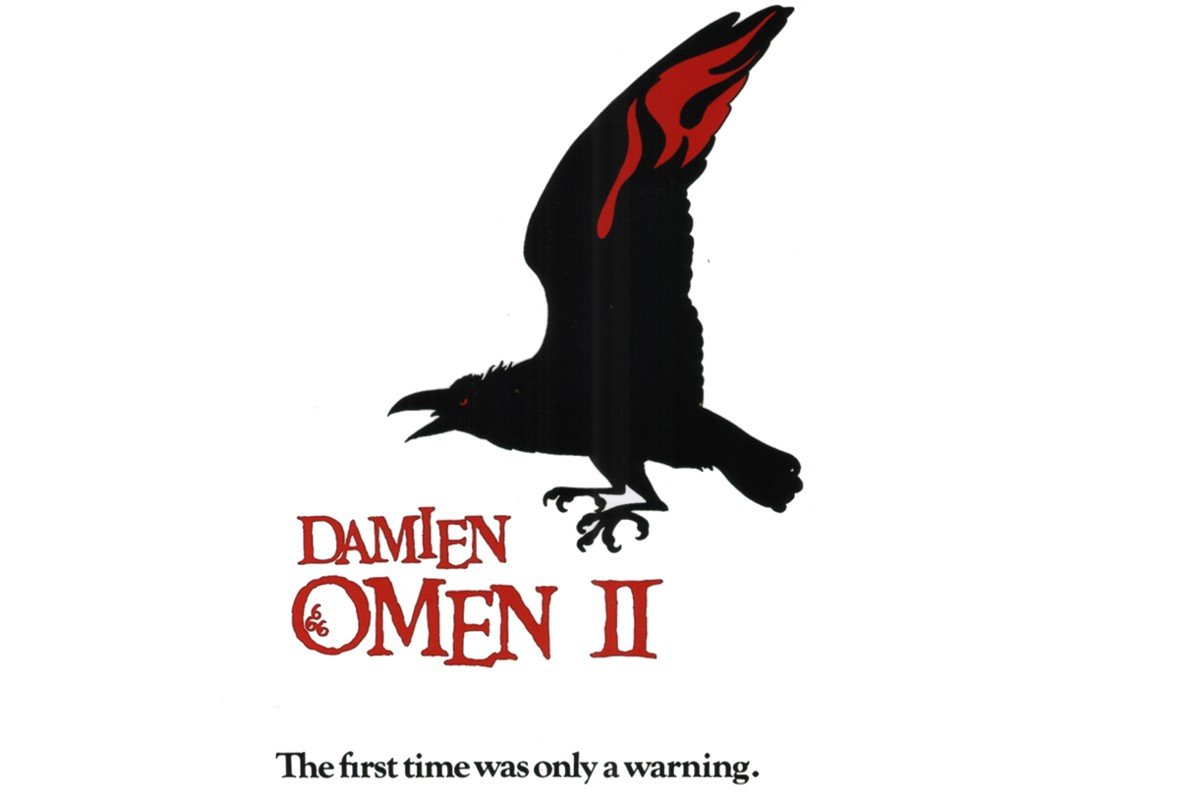
The Hot Spot Rating
Damien; Omen 2 (1978)
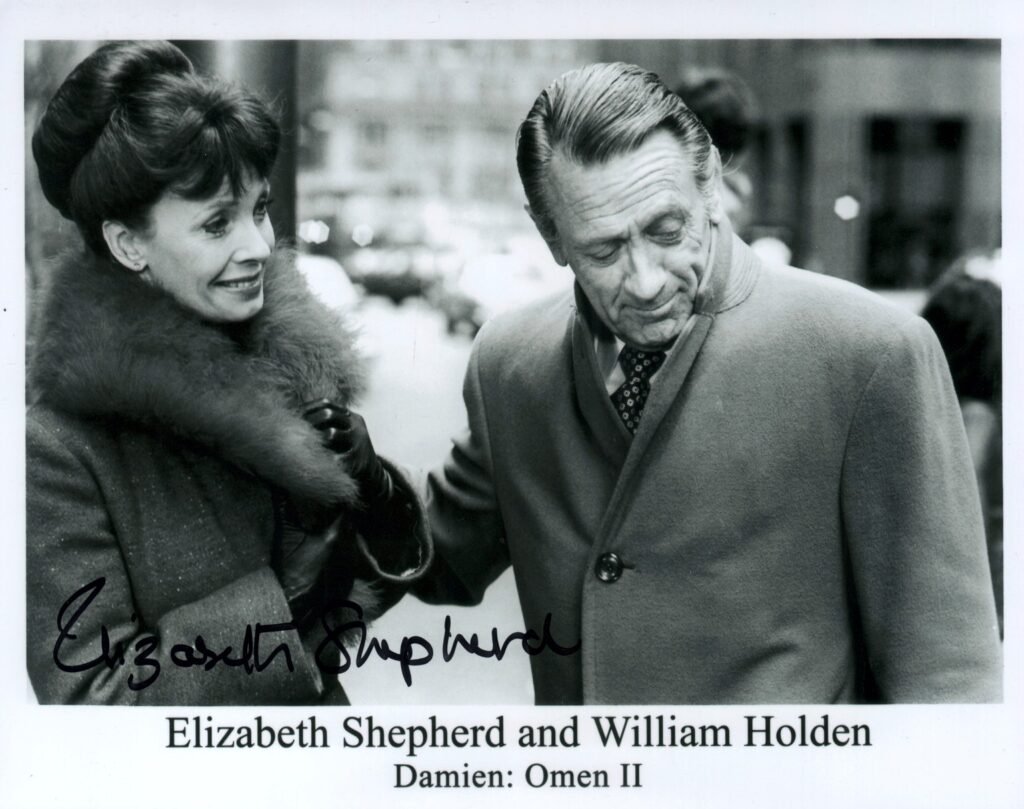
Cast: William Holden, Lee Grant, Robert Foxworth, Jonathan Scott Taylor
Director: Don Taylor
Nutshell: Entertaining and devilishly silly follow up to the hugely successful The Omen with another cracker of a score by Jerry Goldsmith.
“A slick, efficiently made sequel.”
— Roger Ebert, Chicago Sun-Times
“Lacks the shock of the original, but is still effective.”
— Vincent Canby, The New York Times
“A polished continuation that relies more on atmosphere than surprise.”
— Variety, Variety
“Well-crafted, if somewhat predictable.”
— Time Out, Time Out
“Competently made but short on genuine surprises.”
— Leonard Maltin, Leonard Maltin’s Movie Guide
“Maintains a sense of dread, even if it never matches the original.”
— Halliwell’s Film Guide, Halliwell’s Film Guide
Damien: Omen II opens with one of the great horror-movie panic attacks.
A visibly shattered archaeologist and biblical scholar, Carl Bugenhagen — one of the few surviving figures from the original The Omen — races furiously through the streets of the Holy Land in a state of near-apocalyptic terror. Time is running out. Damien, the literal spawn of Satan, is on the verge of inheriting immense worldly power, and Bugenhagen alone possesses the knowledge capable of stopping him.
All he must do is convince somebody before the world slides irrevocably toward doom.
The sequence immediately reconnects audiences with the grandiose satanic hysteria that made The Omen such an enormous global success back in 1976.
Critics at the time were wildly divided. Some hailed it as a worthy successor to Rosemary’s Baby and The Exorcist — sophisticated, atmospheric mainstream horror elevated by superb craftsmanship. Others dismissed it outright as absurd hokum and even ranked it among the worst films ever made.
Audiences, of course, ignored the critics entirely.
The film became a sensation.
Modestly budgeted and starring ageing Hollywood royalty like Gregory Peck and Lee Remick, The Omen struck a nerve with the public and permanently carved its place into horror cinema history.
Three key ingredients largely explain why.
First and foremost was the astonishing contribution of Jerry Goldsmith. His Oscar-winning score transformed what might otherwise have seemed faintly ridiculous into something genuinely operatic and sinister. Goldsmith’s thunderous choral arrangements gave the film an overwhelming sense of satanic grandeur and menace. Without that score, The Omen could easily have felt like an overproduced television movie. Instead, it became immersive, stylish, and unforgettable.
Secondly, the film revolutionised what might be termed the “creative death” sequence.
The original Omen practically invented the modern mainstream horror set-piece death — elaborate, visually orchestrated “accidents” manipulated by unseen evil forces. Entire franchises such as Final Destination owe a considerable debt to the template established here: death as elaborate spectacle.
Finally, the marketing campaign itself was brilliantly executed. The repeated use of “666” and the film’s sinister publicity strategy captured the public imagination perfectly. Long before release, anticipation had already reached fever pitch. Film marketing students genuinely could study The Omen campaign as a masterclass in audience manipulation.
Thus, a sequel was inevitable.
With original screenwriter David Seltzer stepping aside, the producers forged ahead regardless, understanding perfectly that the most essential returning ingredient was Jerry Goldsmith himself. Once Goldsmith returned, the rest fell into place, including young Jonathan Scott-Taylor as the now-teenaged Damien.
The film cleverly introduces Damien emerging symbolically through flames, immediately suggesting the boy is entering a new stage of his destiny.
Seven years after the events of the first film, Damien now lives under the guardianship of powerful industrialist Richard Thorn, a man with clear political ambitions and little understanding of the evil quietly flourishing beneath his own roof.
The early portions of Damien: Omen II work remarkably well.
Damien’s elderly Aunt Marion immediately senses something deeply wrong about the boy and insists he and his cousin Mark be separated. Like all potential obstacles to Damien’s rise, she soon pays dearly for her suspicions. The deaths begin mounting once again, carried out through elaborate supernatural “accidents” that remain the series’ greatest strength.
One particularly memorable set-piece involves an intrusive reporter attacked viciously by a raven trained by the same expert who handled the birds in The Birds. The sequence is genuinely effective and among the film’s highlights.
Unfortunately, after an excellent first hour, the film gradually begins losing momentum.
One major problem is the absence of a truly compelling satanic disciple. The unforgettable Billie Whitelaw as Mrs Baylock from the original cast an enormous shadow over the sequel. Neither Sergeant Neff nor the various corporate Satanists possess remotely the same chilling charisma.
The film also struggles somewhat with Damien himself.
Rather than becoming more frightening as he embraces his destiny, Damien increasingly evokes sympathy. A key scene — in which he is instructed to abandon childish interests and accept his role as ruler of darkness — plays almost like tragic adolescence rather than terrifying corruption.
Like Dracula, Damien becomes less monster than cursed outcast:
isolated,
burdened,
and trapped by destiny.
It is an interesting angle, though perhaps not the most frightening one.
The body count continues admirably enough, and the film retains enough style and visual flair to remain entertaining, but the screenplay increasingly leans too heavily on orchestrated deaths rather than escalating genuine tension. The climax, in particular, feels rushed and oddly underpowered after such a promising buildup.
Still, as horror sequels go, Damien: Omen II is far from disastrous.
It remains atmospheric, frequently entertaining, occasionally very effective, and enormously aided once again by Jerry Goldsmith’s magnificent score — arguably even richer and more accomplished than his work on the original film. His compositions here belong alongside the sublime horror work of Pino Donaggio on films such as Carrie, Dressed to Kill and Tourist Trap.
The film itself may be clunky, overwrought, and rather silly in places, but it remains consistently watchable and more than worthwhile for fans of the original.
The memories surrounding the film, however, may be even more entertaining than the movie itself.
This particular reviewer first encountered Damien: Omen II at London’s notorious The Biograph Cinema in Victoria during the late 1970s — though to describe the audience as primarily interested in the movie itself would be wildly inaccurate.
The Biograph was less a cinema than a surreal social experiment unfolding in darkness.
Watching the film there felt like stumbling accidentally into an outtake from Cruising. Men endlessly wandered the aisles in slow motion, shifting seats constantly like participants in some strange erotic game of musical chairs. Leather jackets creaked ominously throughout the auditorium while the bathrooms experienced traffic levels usually associated with Heathrow Airport.
From the unusually large audience gathered for this otherwise fairly ordinary horror sequel, one suspects perhaps only three people were genuinely paying attention to Damien and the Antichrist at all.
And yet somehow that bizarre atmosphere made the experience unforgettable.
A total fleapit.
A complete dive.
And absolutely unique.
Revisiting the film decades later in pristine 4K on a modern screen proved an entirely different experience altogether — though perhaps not quite as memorable as witnessing Satan’s rise to power amid the wonderfully strange chaos of Thatcher-era London nightlife.
Creature Features – Amateurish imitation of Jaws