The Hot Spot Rating
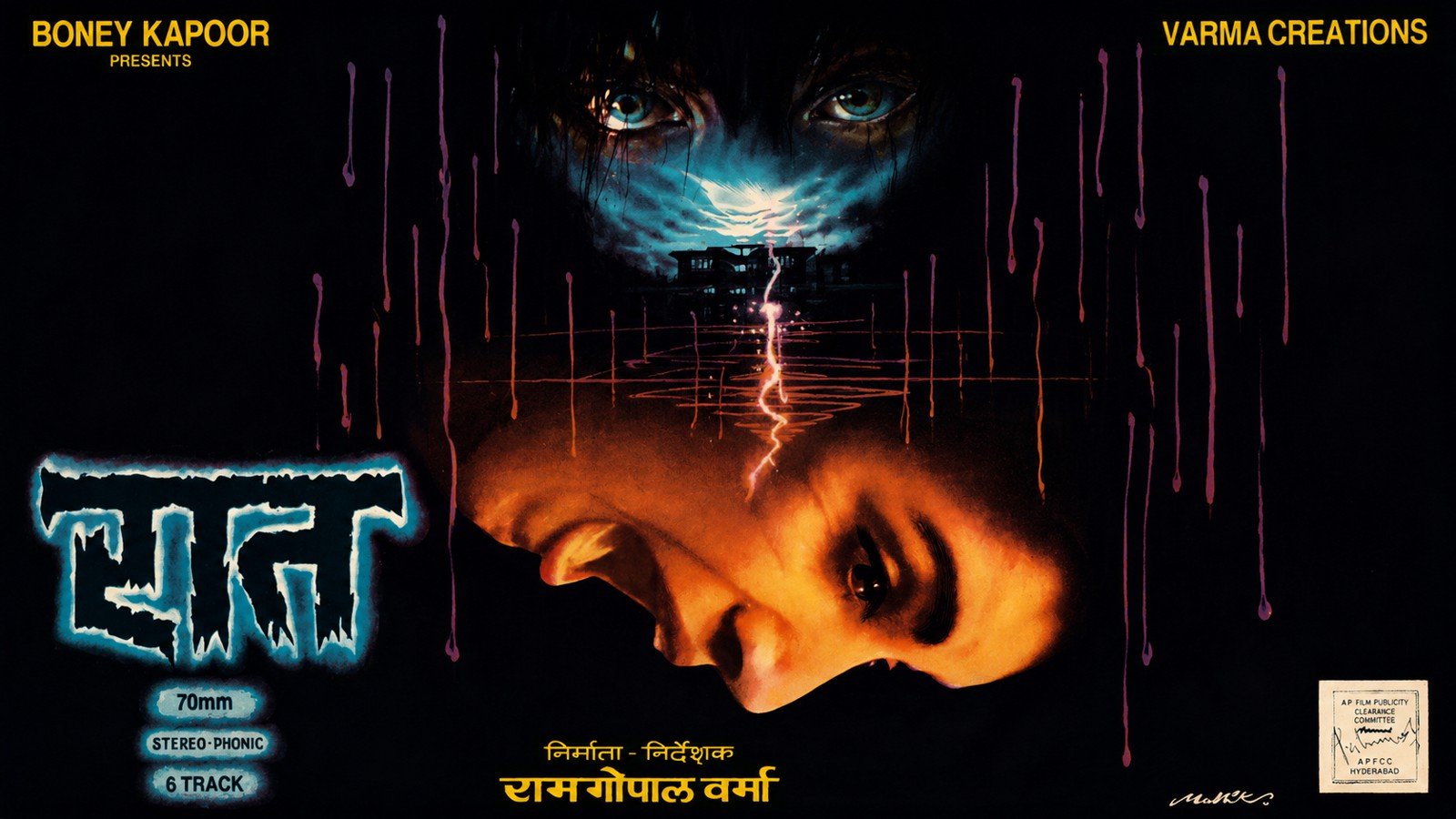
Raat (1991)
Starring: Revathi, Om Puri, Rohini Hattangadi, Anant Nag
Director: Ram Gopal Varma
Synopsis: Superior if still cliché ridden Bollywood Horror. Derivative but fun chiller
This film represented a brave attempt to drag Bollywood horror out of the gutter and rescue it from the self-parody into which it had gradually descended during the latter years of the Ramsay and Bhakri era.
By the early 1990s audiences had largely abandoned the ultra-low-budget creature features and haunted-haveli formula that had dominated the genre throughout the previous decade. Horror had become increasingly confined to television, particularly through productions such as Zee Horror Show, while mainstream cinema showed little interest in investing in serious horror projects.
With Raat, producer Boney Kapoor and director Ram Gopal Varma attempted to restore some credibility to the genre and bring horror back into the mainstream. Unfortunately, despite its ambition and technical polish, audiences largely stayed away, resulting in considerable financial disappointment. Horror would once again be pushed to the margins until Varma returned later in the decade with the more commercially successful Kaun?
The story centres on the Sharma family, who move into a new home and soon find themselves plagued by increasingly disturbing events. Most affected is their teenage daughter Mini, who begins displaying bizarre behaviour, developing a sinister smile and, apparently, a fondness for unnervingly bright contact lenses. As her condition deteriorates, the family desperately searches for answers.
The father places his faith in science, psychiatry and rational explanations while the mother increasingly turns towards spiritual remedies. An elderly neighbour reveals that the house has a dark and troubled history, and before long Mini’s condition begins drifting firmly into Exorcist territory, though thankfully without the spinning heads and projectile vomiting.
Eventually a tantrik is summoned, because no Bollywood possession film can resist the lure of a tantrik. Fortunately this one is played by Om Puri, who brings a welcome seriousness and restraint to the role. His arrival at the house is clearly intended as an homage to Father Merrin’s famous entrance in The Exorcist, and indeed much of Raat plays like a love letter to the great horror films of the West.
For horror fans, watching Raat often becomes an entertaining game of spot-the-influence. References and inspirations drawn from The Exorcist, Halloween, A Nightmare on Elm Street, Friday the 13th, Evil Dead, Amityville Horror and Child’s Play appear throughout the film. At times the borrowings are so obvious that the film threatens to become little more than a patchwork of familiar ideas.
Yet somehow it works.
The principal reason is that the film is assembled with far greater skill than most of its contemporaries. The performances are generally strong, the production values are respectable and Varma demonstrates a genuine understanding of how to stage suspense, even when relying upon familiar techniques.
The film’s greatest weakness is its complete lack of subtlety. Every moment is underlined by intrusive music, exaggerated reactions or directorial flourishes designed to ensure that the audience misses absolutely nothing. At times the film seems terrified that viewers might fail to notice a frightening moment unless it is accompanied by a musical sledgehammer.
Ironically, some of the film’s most effective scenes are its quietest. One particularly memorable sequence involving a television switching itself on creates more genuine unease than many of the louder and more elaborate set pieces. It is in these restrained moments that one catches a glimpse of the filmmaker Varma would later become.
Raat is undeniably derivative and often frustratingly heavy-handed, but it remains an important film in the history of Indian horror. It marked a clear departure from the rubber masks, bargain-basement monsters and comic-relief excesses that had come to define the genre during the previous decade.
It may not be the masterpiece that some claim, but viewed against the backdrop of contemporary Bollywood horror, Raat was a significant step forward. The film demonstrated that horror could be presented with professionalism, atmosphere and ambition rather than merely surviving on rubber monsters, fog machines and frantic tantriks waving tridents.
For all its flaws, Raat deserves credit for attempting to move Bollywood horror into a new era. The journey was far from complete, but at least somebody had finally started walking in the right direction.