
The Hot Spot Rating
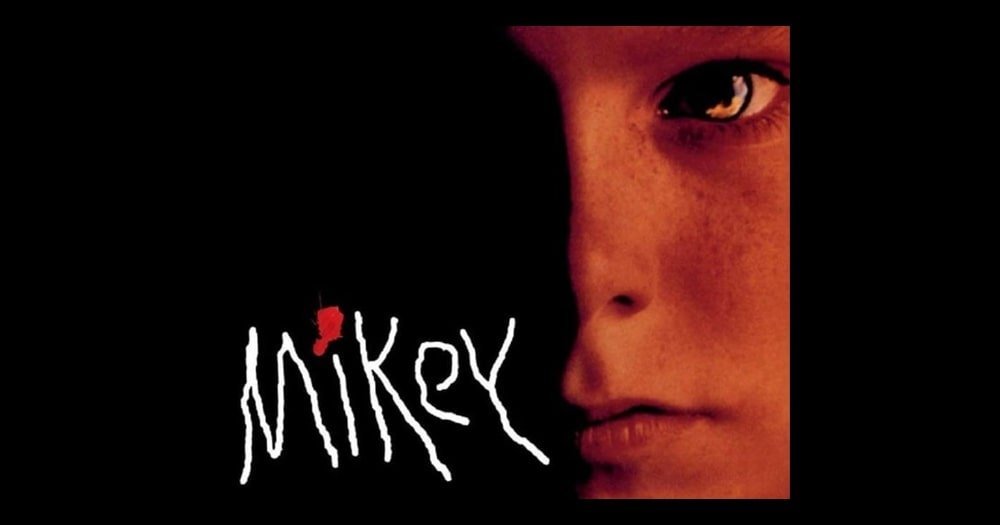
Mikey (1992)
Cast: Brian Bonsall, Josie Bissett, Lyman Ward, John Diehl, Ashley Laurence
Director: Dennis Dimster-Denk
Synopsis: Psycho kid movie is still potent enough to be worthy of a ban in Britain
PopHorror praised it as “a perfect, low budget flick…witty dialogue” and noted that “unless you are OCD in detail, nobody is going to complain about the FX” repulsivereviews.com
Repulsive Reviews described it as “a must see” if you love early ’90s horror and creepy kids repulsivereviews.com.
Rotten Tomatoes summed it as “So bad it’s good…fun and entertaining to watch,” despite critical flaws joblo.com+7rottentomatoes.com
Horror Critic (Lisa Marie Bowman) called it “creepy and disturbing” and “a minor horror classic if not for one big problem…Brian Bonsall’s stiff performance” tedtakes.com
Outburn Online called it “a cool little horror flick that delivers the goods with some old‑fashioned tension” en.wikipedia.org
JoBlo’s Arrow in the Head dubbed it “a solid entry in the evil‑kid subgenre…Mikey is a truly despicable sonofabitch” bestbuy.com
Reddit r/slasherfilms noted it was “entertaining but …bordered on being ridiculously unrealistic” joblo.com
Mikey is one of those lightweight early-1990s “psycho child” thrillers clearly hoping to cash in on the success of films such as The Bad Seed and The Good Son, while borrowing more than a little from The Stepfather formula as well.
The result is essentially The Stepfather reimagined with a cherubic nine-year-old boy replacing the suburban serial-killer dad.
And honestly, the premise itself is not entirely without potential.
Little Mikey is a disturbingly angelic-looking foster child who moves methodically from one family to the next searching for the perfect home environment. Unfortunately, whenever his adopted families disappoint him, annoy him, or simply become inconvenient, Mikey solves matters in the most practical way he knows:
murder.
The film wastes no time establishing this.
The opening scenes feature little Mikey efficiently dispatching members of his latest foster family through drowning, electrocution, and a satisfyingly old-fashioned blunt-force attack to the head before calmly blaming the carnage on an imaginary intruder.
Thus begins yet another fresh start.
Soon Mikey lands in the home of an obscenely wealthy and excessively enthusiastic couple attempting to become textbook-perfect parents by studying child psychology manuals and parenting guides as though preparing for university examinations.
For a while, Mikey appears delighted with his new surroundings.
At school he behaves reasonably well, though his observant class teacher gradually begins developing suspicions after catching him cheating and uncovering unsettling details regarding his murky past.
Meanwhile, Mikey himself develops an innocent-looking crush on an older girl — only to react with growing resentment after discovering she already has a boyfriend.
Naturally, this proves unfortunate for everyone involved.
Because once Mikey decides he wants something, obstacles tend not to survive for very long.
The central problem with Mikey is not really the premise itself but the spectacularly flat way the material is handled. The direction throughout is painfully pedestrian, almost television-movie dull, while the script never once rises above the level of functional cliché. Opportunities for tension, black humour, or genuine unease repeatedly drift by untouched.
Even the murder scenes — which should at least have provided some wicked fun — are staged with astonishing lack of imagination.
There is virtually no visual flair anywhere in the film.
The cast do what they can, but most performances feel stiff and cardboard-like, though this owes as much to the uninspired writing as to the actors themselves. The attempted humour lands with a thud, and none of the characters are developed enough for the audience to care greatly what happens to them.
The film also flirts vaguely with the idea that Mikey’s psychosis may stem from childhood abuse, though this remains little more than an underdeveloped suggestion rather than meaningful psychological exploration.
Ironically, what ultimately made Mikey memorable had very little to do with the film itself.
Its notoriety stemmed almost entirely from unfortunate timing.
The film arrived in Britain shortly after the horrifying murder of James Bulger in 1993 — a crime that traumatised the UK and triggered enormous public anxiety surrounding violent children, juvenile crime, and media influence. Against this backdrop, a film centred around a murderous child who records homemade “horror videos” suddenly became politically radioactive.
The climate in Britain at the time was one of genuine hysteria and fear, intensified further by revelations involving child abuse networks, violence against children, and sensationalist tabloid panic.
As a result, Mikey became collateral damage.
The film was effectively buried in the UK and remains one of the more curious examples of a movie whose notoriety vastly exceeded its actual content or quality. Whether the ban was justified remains highly debatable, but the association with the Bulger case permanently attached itself to the film’s reputation.
Ironically, this suppression later transformed Mikey into something of a collector’s item. For years, out-of-print DVDs of the film commanded absurdly inflated prices among horror collectors and censorship enthusiasts eager to own this supposedly “forbidden” movie.
Which is rather amusing considering how mediocre the film itself actually is.
In truth, Mikey is neither shocking enough to become true exploitation gold nor intelligent enough to function as meaningful psychological horror.
It simply exists awkwardly in the middle:
too bland to offend,
too clumsy to disturb,
and too uninspired to linger in the memory for very long.
If one wishes to revisit genuinely effective “evil child” cinema, The Bad Seed remains vastly superior, while The Omen still delivers far more atmosphere, dread, and craftsmanship.
Mikey, by comparison, feels like a forgettable video-store curiosity accidentally elevated into cult notoriety by tragic real-world circumstances far more disturbing than anything occurring within the film itself.