
The Hot Spot Rating
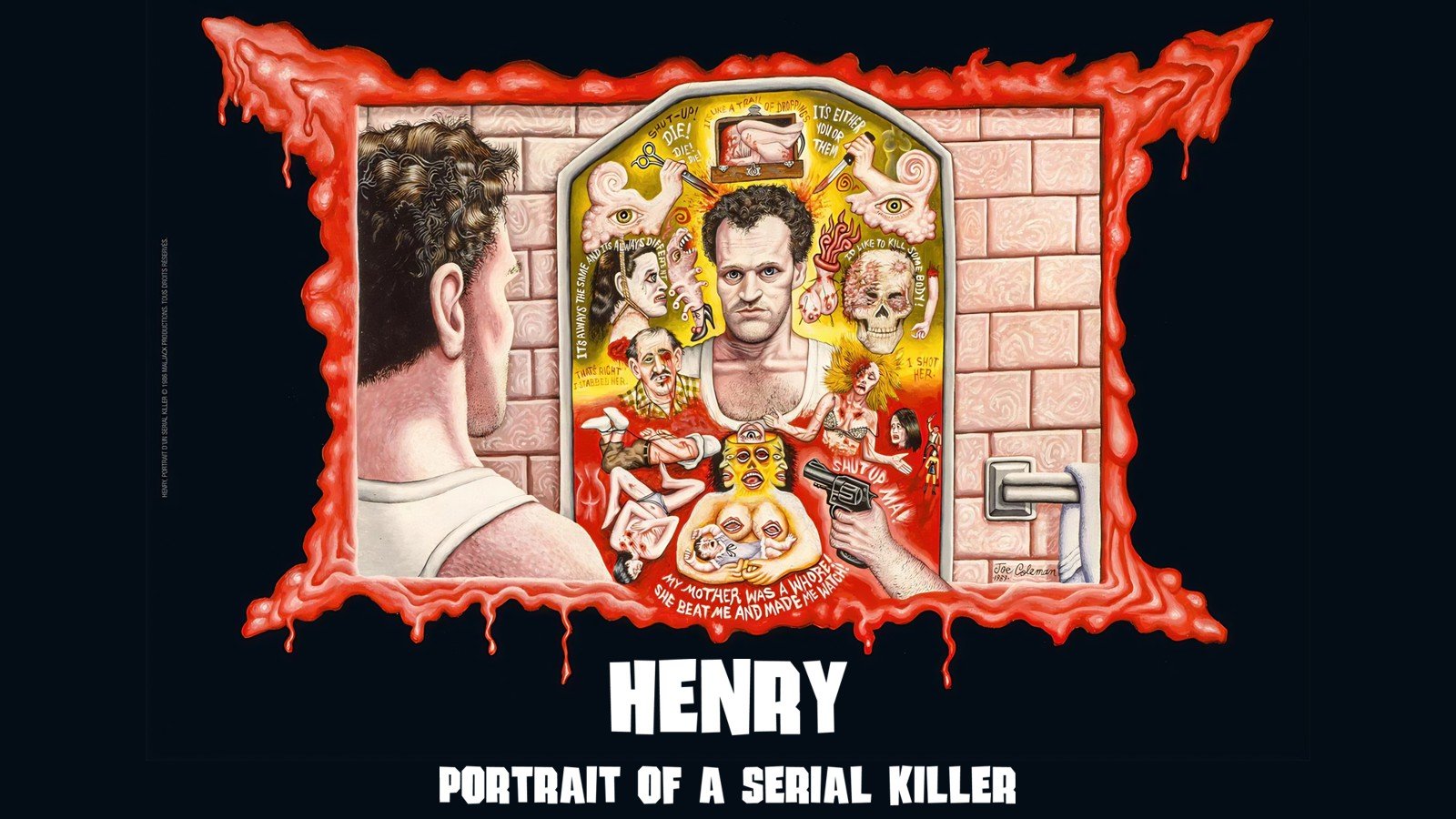
Title: Henry: Portrait of a Serial Killer (1986)
Cast: Michael Rooker, Tom Towles, Tracy Arnold
Director: John McNaughton
Nutshell: often shocking and difficult to watch but brilliantly acted and depressingly honest glimpse into the life of a serial killer.
“One of the most frightening and disturbing films ever made.”— Roger Ebert
“A powerful and frightening experience.”— Roger Ebert
“A deeply disturbing film that refuses to glamorize violence.”— Roger Ebert
“The most realistic and therefore the most terrifying serial killer film ever made.”— Time Out Film Guide
“A devastating portrait of a psychopath.”— The New York Times
“Michael Rooker gives one of the great performances in modern American cinema.”— The Chicago Reader
“A masterpiece of modern horror.”— Fangoria
“The Citizen Kane of serial killer movies.”— Cinefantastique
“One of the most important horror films of the 1980s.”— Kim Newman, Nightmare Movies
“A film that is impossible to shake off once seen.”— Kim Newman
“A relentlessly bleak and disturbing masterpiece.”— Empire Magazine
“Perhaps the most uncompromising serial killer film ever made.”— Video Watchdog
“It strips away every comforting convention of the horror genre.”— Slant Magazine
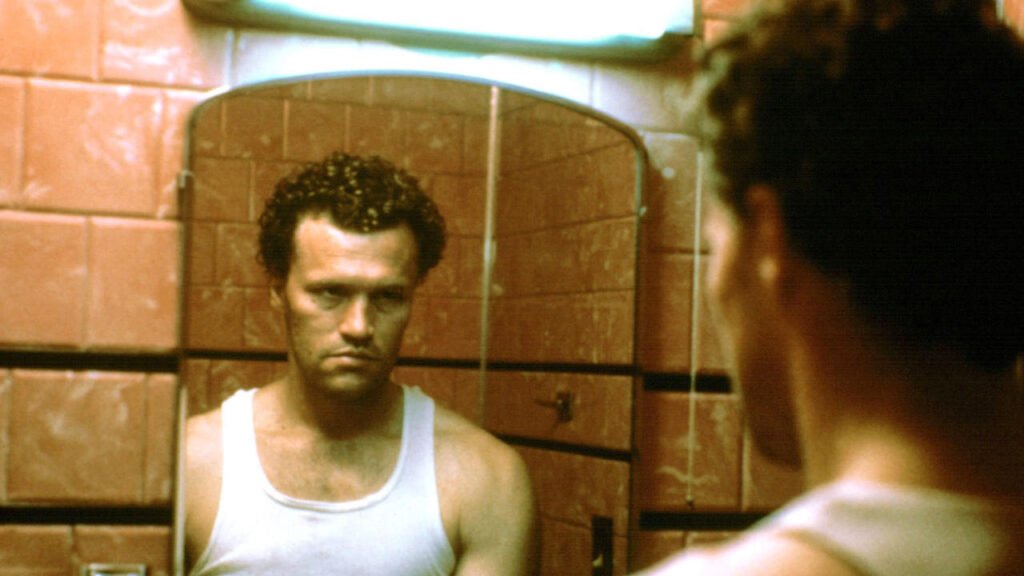
This film is about as far removed from the glamour and gloss traditionally associated with Hollywood as it is possible to be.
From its opening moments, Henry: Portrait of a Serial Killer inhabits a bleak, ugly and deeply unsettling world. The film begins with a montage of corpses discarded like rubbish, their bodies dumped in grotesque poses as though human life has no value whatsoever. From there we cut to Henry, played by a remarkable Michael Rooker, driving around suburban America with the detached focus of a predator searching for his next victim.
Henry shares a squalid existence with Otis Toole, a degenerate petty criminal and drug dealer whom he befriended during a spell in prison. When Otis’s sister Becky arrives seeking refuge from an abusive marriage, she gradually finds herself drawn towards Henry. Unlike most of the men she has encountered, Henry appears to treat her with a certain degree of respect and understanding.
What Becky cannot fully comprehend is just how damaged Henry truly is.
Based loosely upon the real-life serial killer Henry Lee Lucas, the character has endured a childhood of unimaginable abuse at the hands of his mother and her various partners. Beatings, humiliation and neglect have left him emotionally hollow. Eventually, according to his own account, he snapped and murdered his mother, setting him upon a path where killing became both a compulsion and a source of satisfaction.
As Henry grows increasingly comfortable around Otis, he begins shaping him into an accomplice. Together they drift through the highways and back roads surrounding Chicago searching for victims. Murder becomes routine. Casual. Almost mundane.
The pair eventually acquire a camcorder and begin recording some of their crimes, replaying the footage later in the safety of their apartment while reliving every sickening detail.
The relationship between Henry, Otis and Becky becomes increasingly toxic and unstable. Yet somehow the arrangement continues functioning because Henry possesses one quality neither of the others can match: survival instinct.
He may be poorly educated and unable to read properly, but his instincts are razor sharp. He knows when to disappear, when to lie low, how to manipulate people and, most importantly, how to avoid getting caught.
One evening Becky makes a romantic and sexual advance towards him. Faced with genuine intimacy, Henry finds himself completely unable to cope. Rather than confront the situation, he makes an excuse and flees.
For a man capable of murder without hesitation, emotional vulnerability proves infinitely more terrifying.
Events then continue along their inevitable and grisly course towards a conclusion that is both devastating and emotionally exhausting.
Henry: Portrait of a Serial Killer remains one of the most powerful films ever made about serial murder. Rather than offering easy explanations or psychological lectures, it simply places the audience alongside its characters and allows them to observe. The result is profoundly disturbing.
What makes the film so effective is its authenticity. There is no glamour, no romanticising of violence and no attempt to transform Henry into some larger-than-life movie monster. Everything feels horribly plausible.
Michael Rooker’s performance is extraordinary. Quiet, watchful and often unreadable, he creates a character who is far more frightening than the flamboyant movie psychopaths that would become fashionable in later years. Henry does not kill because of some grand plan or elaborate motive. He kills because killing is simply part of who he is.
The film’s infamous reputation is entirely deserved. It contains moments that are genuinely difficult to sit through, not because they are graphic by modern standards, but because they feel disturbingly real.
Compelling though it may be, this is certainly not a film designed for a pleasant evening’s entertainment.
John McNaughton’s direction is superb throughout, displaying remarkable restraint and confidence. The result is a film that remains every bit as unsettling today as it was upon release.
A stunning, deeply disturbing and unforgettable piece of filmmaking that stands among the most potent examinations of serial murder ever committed to film.